At a Glance
What it’s like to actually live in Black Forest
Lifestyle & neighborhood feel
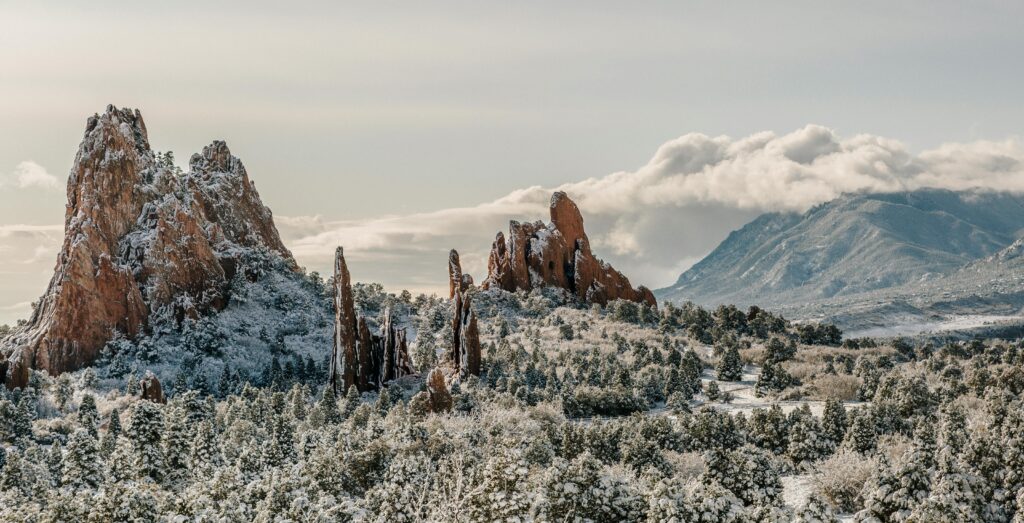
Daily life in Black Forest is quiet and spread out, shaped by larger lots, wooded surroundings, and limited through-traffic. Roads are a mix of paved and gravel, and activity is generally local rather than pass-through. The pace is noticeably slower than nearby suburban areas, especially outside of peak commute hours.
Outdoor space is a defining feature. Properties often back to trees or open land rather than other homes, and many residents use their land for gardens, workshops, or informal recreation. Trail access and open forest roads are common, but amenities like retail and dining typically require a short drive toward Highway 83, Woodmen, or nearby north-end corridors.
Outdoor space is a defining feature. Properties often back to trees or open land rather than other homes, and many residents use their land for gardens, workshops, or informal recreation. Trail access and open forest roads are common, but amenities like retail and dining typically require a short drive toward Highway 83, Woodmen, or nearby north-end corridors.
Home types & what to expect
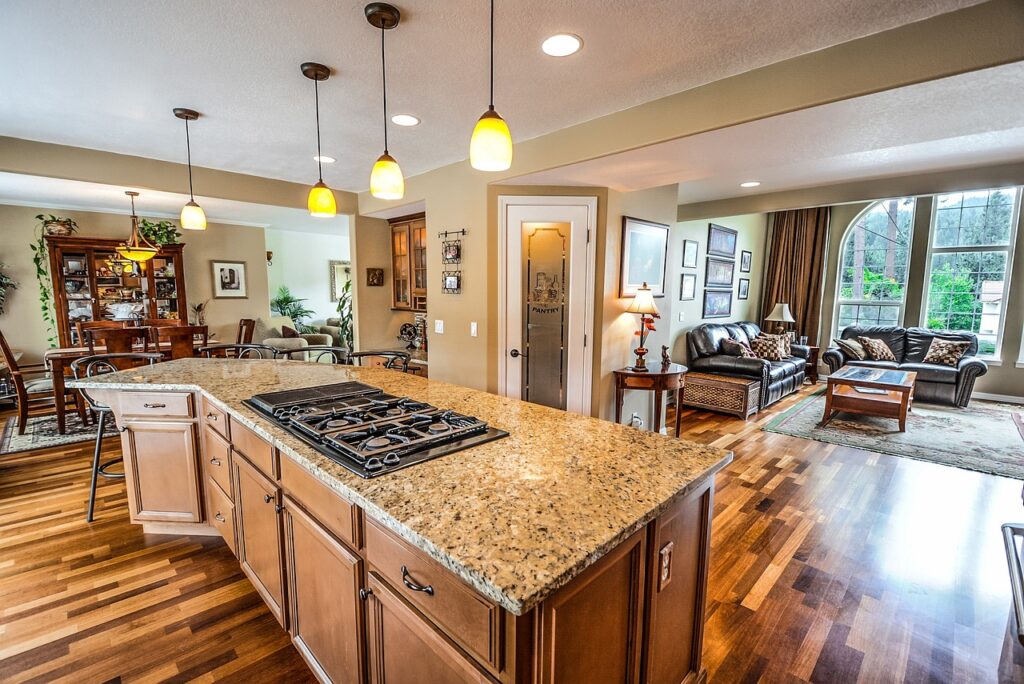
Black Forest is made up primarily of custom and semi-custom homes rather than standardized subdivisions. Most properties sit on larger parcels, often one to five acres, though lot sizes vary significantly by section and plat.
Home styles range from single-level ranch designs to two-story and walk-out layouts, with construction spanning multiple decades. Square footage commonly falls in the mid-range to larger homes, but there is no consistent size profile. Many homes include detached garages, outbuildings, or workshops, and layouts tend to prioritize separation from neighboring properties rather than uniform street patterns.
Home styles range from single-level ranch designs to two-story and walk-out layouts, with construction spanning multiple decades. Square footage commonly falls in the mid-range to larger homes, but there is no consistent size profile. Many homes include detached garages, outbuildings, or workshops, and layouts tend to prioritize separation from neighboring properties rather than uniform street patterns.
Advantages
- Larger acreage lots provide privacy and physical separation rarely available in Colorado Springs city neighborhoods.
- Flexible zoning and lot sizes allow for workshops, outbuildings, RV storage, or equestrian use in many sections.
- Tree coverage and lower housing density create quieter day-to-day conditions than nearby suburban corridors.
- Proximity to Highway 83 keeps north-end employment, shopping, and services accessible without daily city congestion.
- Limited HOA layering in most areas reduces ongoing fees and restrictions compared to master-planned communities.
Things to factor in
- Wildfire mitigation and defensible-space maintenance are ongoing responsibilities for most wooded lots.
- Snow removal, road conditions, and winter access can vary by property, especially on gravel or privately maintained roads.
- Power outages occur more frequently in forested areas, making backup solutions more important for some households.
- Many homes rely on wells, septic systems, or propane, which shifts maintenance and monitoring to the owner.
- Retail, dining, and services require planned trips rather than quick errands common in denser neighborhoods.
Buyer considerations
- Compare drive times from the specific property, as road conditions and access vary widely across Black Forest.
- Review wildfire mitigation requirements and ongoing land maintenance expectations tied to wooded acreage.
- Confirm utility types early, including well, septic, propane, or electric-only service, and understand related costs.
- Evaluate winter accessibility, snow removal responsibility, and whether roads are publicly or privately maintained.
- Consider long-term upkeep for larger homes, outbuildings, and extensive landscaping compared to suburban properties.
Builder insights
- Black Forest is dominated by custom and semi-custom construction rather than large production builders.
- Many homes were built by regional or one-off builders, with quality and design varying by era and property.
- Ranch and walk-out designs are common to accommodate acreage and terrain.
- Newer construction is typically infill or tear-down replacement rather than large-scale development.
- Builder records and plans are not always standardized, making property-specific review important.
Hidden costs to be aware of
Black Forest properties often carry higher ongoing ownership costs tied to acreage and rural infrastructure. Wildfire mitigation, tree management, and defensible-space work are recurring responsibilities rather than one-time expenses. Many homes rely on wells, septic systems, or propane, which shifts maintenance and replacement costs to the owner. Snow removal and road upkeep may be privately managed in some areas, and larger homes or outbuildings can increase insurance, heating, and long-term repair expenses.
How Black Forest compares to nearby neighborhoods
A quick look at alternatives buyers consider.
Compared to Briargate or Wolf Ranch, Black Forest offers significantly more land and privacy but fewer nearby services and longer drive times. Relative to High Forest Ranch, it typically has less HOA structure and more variation in home style and upkeep expectations. Buyers choosing Black Forest usually prioritize acreage and independence over uniformity, walkability, or master-planned amenities.